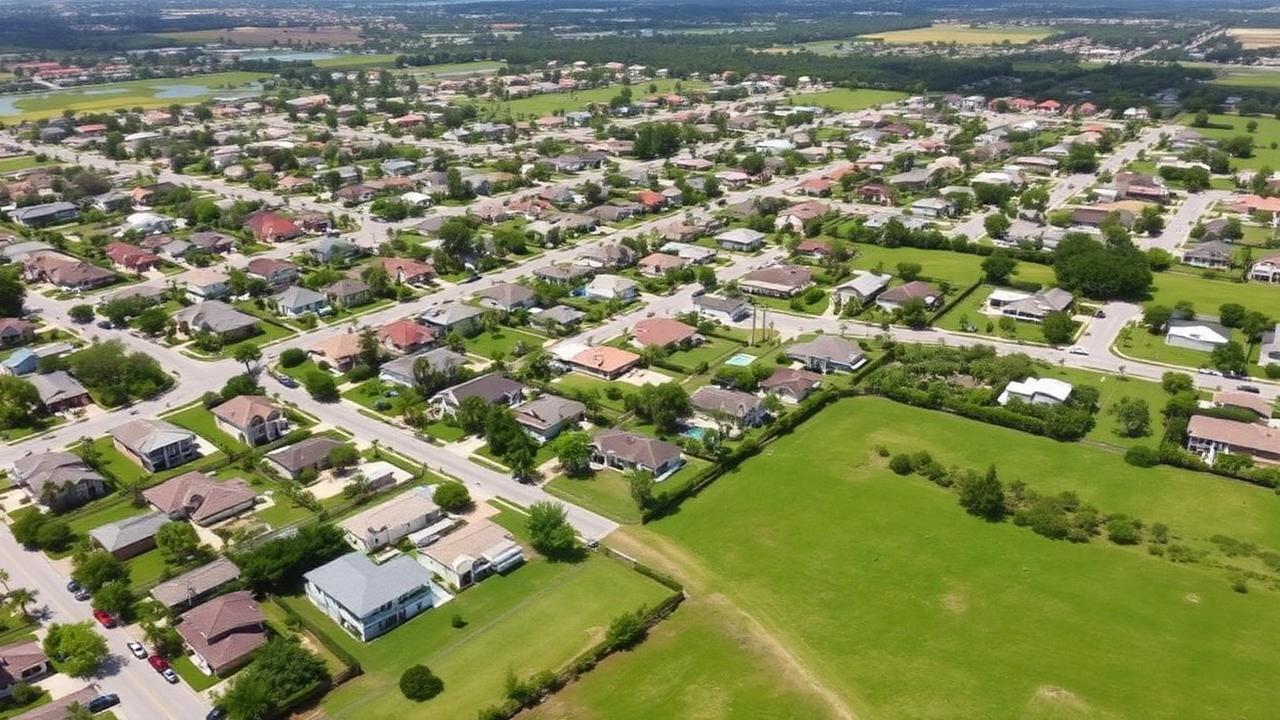
Cape Coral buyers do have options right now, but it's important not to confuse that with true oversaturation. With roughly 2,600 active single-family listings across the city, inventory is healthy for a market this size. Still, it can feel like there are too many homes to choose from because buyers are more selective and homes are no longer moving with the same urgency. That makes comparison more visible — and positioning more important.
Why Are There So Many Homes on the Market?
There's no single reason Cape Coral's active inventory has grown. Several factors are working together:
Sellers who waited are now listing. Many homeowners held off during 2023 and 2024, waiting for conditions to improve or personal timelines to align. Now, more of those homeowners are entering the market at the same time.
Newer construction continues to add competition. In certain parts of Cape Coral, new builds are creating additional options for buyers — especially those willing to consider a brand-new home at a comparable price point.
Buyers are taking longer to decide. With more choices and higher borrowing costs, today's buyers aren't rushing. Listings stay active longer, which makes the market feel even more crowded than it may actually be.
Some homes are overpriced. A portion of current inventory is sitting because it was priced based on outdated expectations. Homes that are priced above what buyers see as fair value tend to linger.
Condition, insurance, and utility challenges are creating resistance. Homes with deferred maintenance, older roofs, or unfavorable insurance profiles are facing more scrutiny from buyers who are weighing long-term costs carefully.
The Question Sellers Should Be Asking
Most homeowners begin by asking, "What is my house worth?" That's a reasonable starting point. But in today's Cape Coral market, a better question is:
"How does my house compare to the other options buyers are considering right now?"
Buyers aren't just looking at your home in isolation. They're comparing it to every other listing in the area that fits their criteria. And they're evaluating more details than many sellers realize.
What Buyers Are Actually Comparing
Today's buyers — and the agents advising them — are looking at a wide range of factors when evaluating homes in Cape Coral. Here's what matters:
Age of the Property and the Building Codes Used
The age of a home matters in Cape Coral because buyers and insurers often look at construction through the lens of the code era in which it was built. Homes built after 2002 often draw attention because of the major Florida code changes that followed Hurricane Andrew, but buyers are also paying attention to other important code eras, especially 2008, 2012, and 2023, when additional building code updates affected wind resistance, energy standards, and other construction requirements. That does not automatically make older homes less desirable, but it does mean sellers of older properties need to be thoughtful about pricing, maintenance, upgrades, and how the home compares against newer alternatives.
Insurance and Mitigation Features
Insurance has become one of the most important cost factors for Cape Coral buyers. Homes with impact-resistant windows and doors, hip roofs, newer roof coverings, and proper tie-down systems tend to qualify for meaningful insurance discounts. Buyers are increasingly comparing properties based on estimated insurance premiums — not just the sale price.
Roof, AC, Water Heater, and Pool Equipment Age
Major systems matter. Buyers know that replacing a roof, air conditioning unit, water heater, or pool equipment can cost thousands of dollars. Properties with newer systems feel like less of a financial risk, and homes with aging components may face lower offers or longer negotiation timelines.
Ongoing and Deferred Maintenance
There's a difference between a home that has been well-maintained and one that has been left to age. Buyers notice peeling paint, worn-out landscaping, outdated fixtures, and signs of neglect. These details can shift a buyer's perception of value — even if the home is structurally sound.
Price Per Square Foot
Price per square foot is a useful comparison tool, but only when homes are truly comparable. A waterfront home with a pool and impact windows shouldn't be compared dollar-for-dollar to a dry lot home with shutters and original finishes. Sellers should understand how this metric works — and where it can be misleading.
Well and Septic Versus City Utilities
Whether a home is on well and septic or connected to city water and sewer affects buyer perception, insurance options, and long-term cost. In parts of Cape Coral where utility expansion is underway, the timing and cost of upcoming assessments can also influence a buyer's decision.
Utility Assessments and Timing
Cape Coral's ongoing utility expansion means some neighborhoods are facing or anticipating assessment costs. Buyers are factoring this into their calculations, and sellers in affected areas should be prepared to address it transparently.
Neighborhood Appeal and Future Development
Proximity to schools, shopping, parks, and medical services matters. So does what's being planned nearby. Buyers are researching future development, road projects, and zoning changes — all of which can affect desirability and long-term value.
Dry Lot Versus Canal Lot
Water access is a defining feature in Cape Coral. Dry lot homes and canal-front homes serve different buyer pools. Within canal properties, the type of access matters significantly.
Freshwater Versus Gulf Access
Gulf access properties — those with a navigable path to open water — command a premium. But the specifics matter: how far is the home from open water? Are there bridges to pass under? What is the condition of the seawall, dock, and boat lift? Buyers with boating priorities evaluate these details carefully.
Seawall, Dock, and Lift Condition
For waterfront properties, the condition of the seawall, dock, and boat lift can significantly affect value. A new seawall is a major asset. A deteriorating one can be a dealbreaker — or at the very least, a negotiation point worth tens of thousands of dollars.
Floor Plan Generation and Layout
Older Cape Coral homes often feature compartmentalized layouts, pass-through kitchen windows, lower ceilings, and smaller living areas. Newer homes tend to have open floor plans, taller ceilings, and more natural light. Buyers compare the feel and functionality of homes — not just the square footage.
Flooring, Glass, and Natural Light
The type of flooring, the number of sliding glass doors, and the overall amount of natural light influence how a home feels to a buyer. Tile, luxury vinyl plank, and porcelain tend to be preferred in Southwest Florida. Homes with more glass and open sightlines often photograph better and show better in person.
Impact Windows and Doors Versus Storm Shutters
Impact-resistant windows and doors provide both convenience and insurance savings. Storm shutters still offer protection, but they require manual effort and don't provide the same insurance advantages. This distinction affects how buyers compare otherwise similar properties.
Flood Zone: X Versus AE
Homes in flood zone X generally have lower or no flood insurance requirements. Homes in zone AE require flood insurance, which can add meaningful annual cost. Some sellers may have existing flood policies that could be transferable to the buyer — a detail worth understanding and communicating.
Pool Versus No Pool
In Cape Coral, a pool is often expected — especially in certain price ranges. Homes without pools may appeal to a smaller buyer pool, while homes with well-maintained pools and updated equipment tend to photograph and show well.
HOA Versus Non-HOA
Some buyers specifically seek out HOA communities for their maintained common areas and neighborhood standards. Others avoid them entirely. Whether a property is in an HOA — and what the fees and restrictions are — is a factor buyers weigh carefully.
Lot Shape, Privacy, Orientation, and Size
Oversized lots, corner lots, and lots with good privacy or favorable sun orientation can be valuable advantages. Conversely, oddly shaped lots, lots adjacent to busy roads, or properties near power lines or commercial uses may require strategic pricing.
Permit History and Quality of Updates
Buyers and their agents increasingly check permit history. Renovations done with proper permits provide confidence. Unpermitted work raises questions — and can create problems during inspections, appraisals, and insurance underwriting.
What This Means for Sellers
Buyers are already comparing all of these factors, whether sellers realize it or not. And in a market with this much inventory, the homes that stand out are the ones that are:
- Priced realistically based on how the home compares to current competition
- Presented honestly, with clear information about systems, condition, and features
- Marketed with the right details up front — not just square footage and bedroom count
Homes are still selling in Cape Coral. Sellers can still do very well. But emotional pricing or relying on outdated expectations can backfire in a market where buyers have more options and more information than ever before.
The best-positioned listings are the ones where the seller understands the competition, the pricing reflects the home's true position in the market, and the marketing highlights the details that matter most to today's buyers.
A More Balanced, Hyperlocal Market
The bottom line is that today's Cape Coral market is more balanced and highly neighborhood-specific. Buyers have choices, but they are not comparing homes blindly — they are weighing long-term cost, condition, insurance, and lifestyle fit. Sellers who understand that shift and position their homes accordingly can still stand out and achieve strong results.
Want to See How Your Home Compares?
If you own a home in Cape Coral and want to understand how it stacks up against today's competition, I can help. My Cape Coral Home Comparison approach helps sellers see their property the way buyers see it — so you can make informed decisions about pricing, presentation, and timing.
Request a personalized home value report to get started, or reach out directly if you'd like to talk through your options.